Accessibility is specific to a person, a building and an activity. This guide offers planning questions, not a rating of any venue. Confirm details directly with the museum, especially when a particular facility or route is essential to your visit.
Routes, entrances and movement
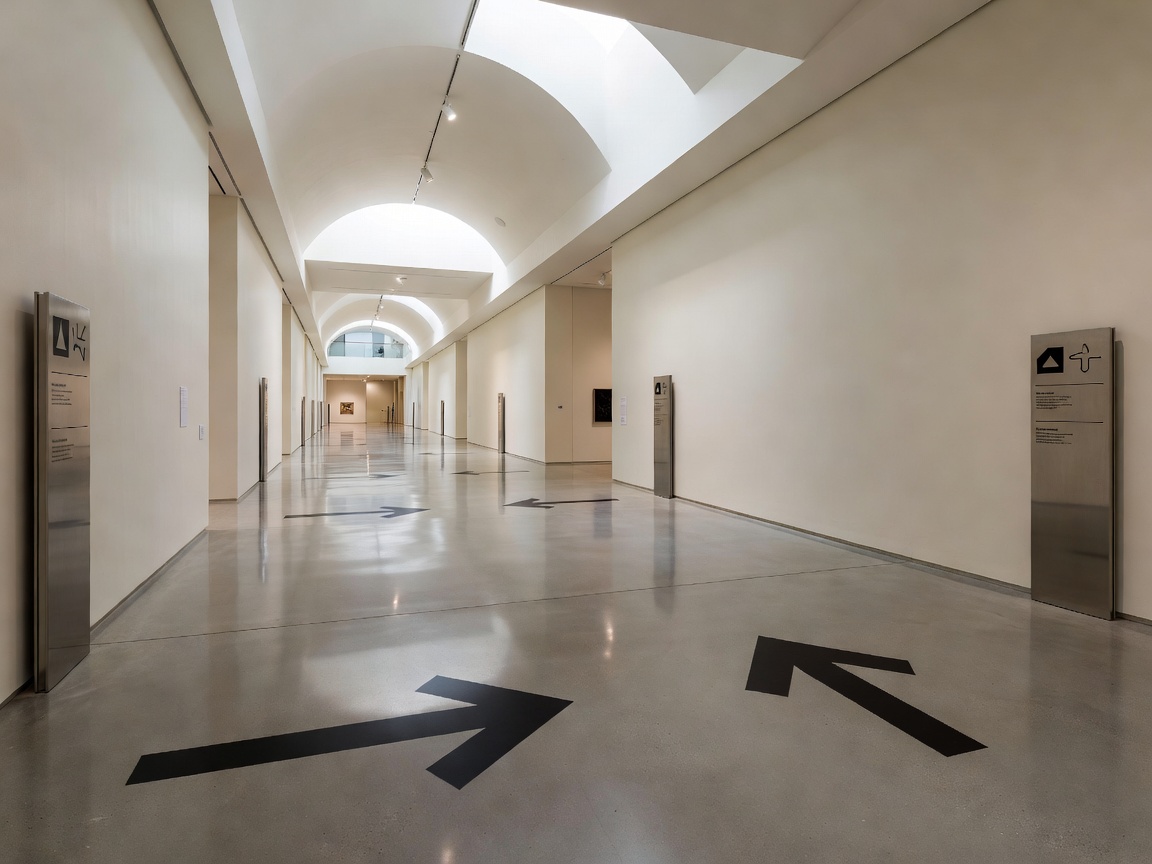
Ask whether the main entrance and planned galleries have step-free access. Check whether lifts serve the floors you expect to use, where they are located and whether any route has temporary restrictions. If you use a stroller or mobility equipment, confirm space, storage rules and access to activity areas. Do not assume a map alone describes every route detail.
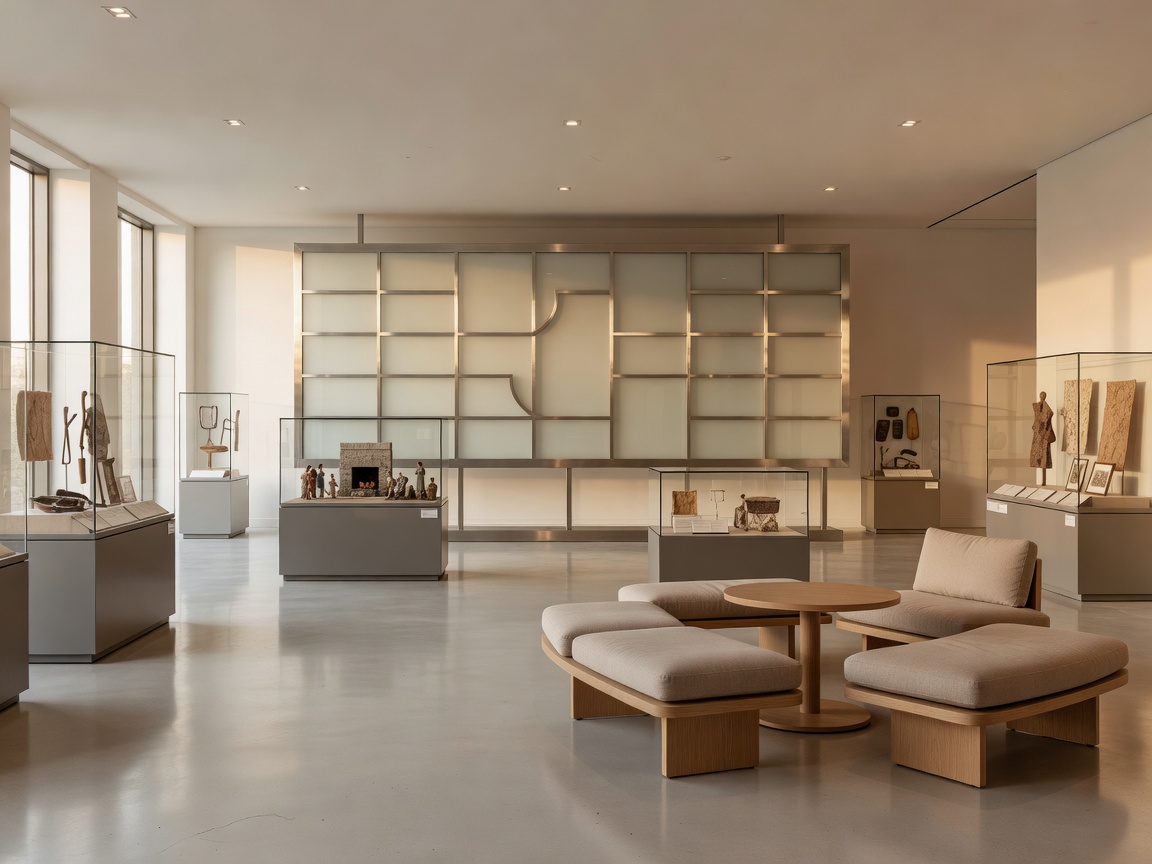
Ask about seating along the route and whether galleries have places to pause. Exhibit reach and height can affect how a visitor approaches an activity. If a particular station matters, describe it and ask whether the controls, display or materials can be reached from your position. Do not assume a general access statement covers every exhibit.
Facilities and practical arrangements
Check the location and features of accessible toilets, changing facilities and family facilities. Ask whether they are available throughout the planned visit and whether there are any access restrictions. Confirm stroller policies, storage options, cloakroom arrangements and the location of lifts or ramps as needed.
Review the venue's policies on assistance animals, personal support, carers or companion tickets if those details are relevant. Policies can vary. Use the museum's official visitor information or contact team for current answers.
Sensory conditions
Sound, lighting, crowding, movement and tactile materials vary from room to room. Check whether the venue publishes sensory information, quiet areas, low-stimulation sessions or a gallery guide. Ask what a quiet space means at that venue: location, access, expected noise and whether it is available during your visit.
Consider whether activities include bright or changing lights, amplified sound, water, moving objects or strong material textures. This guide cannot predict an individual's response. Ask about the specific environment and decide what fits your group's needs.
Communication information
Look for maps, written instructions, visual schedules, captioned media and information in alternative formats. Ask whether staff can provide directions or explain how an exhibit works. If you need communication support, contact the venue in advance to discuss the available options. Do not assume a format or service is offered unless the museum confirms it.
Useful questions are direct: Where is the entrance? Which route has no steps? Is there a quieter place to pause? Can exhibit instructions be read before arrival? Who should we speak with if a planned facility is unavailable?
Plan with the venue
Send a concise enquiry before travelling. Include the date or visit window, the facilities or route details you need, and any exhibit area you plan to use. You do not need to provide more personal information than is necessary to ask the question. Request the information in writing if that makes planning easier.
Check the reply against the current website before you go. Building work, event layouts and temporary closures can change routes or facilities. If a detail is unclear, ask a follow-up question rather than relying on a broad statement.
Benefits and limits of advance information
- Calling or emailing ahead: can clarify specific arrangements; the response may not cover every unexpected change.
- Reading a sensory guide: can describe likely conditions; it cannot predict an individual's experience.
- Using a floor plan: helps with route planning; it may not show temporary obstructions or all exhibit details.
- Planning a quiet break: creates an option to pause; availability and conditions should be confirmed.
Venue staff are the appropriate source for current information about their building and policies.
Good for
Families who want to check access arrangements before leaving home, visitors comparing venue information, and anyone planning around routes, facilities, communication or sensory conditions.
What to know
- Accessibility varies between venues and within a building.
- Confirm specific routes, facilities and exhibit details directly with the museum.
- Ask about temporary changes close to the visit date.
- This guide does not certify or verify any venue's accessibility.