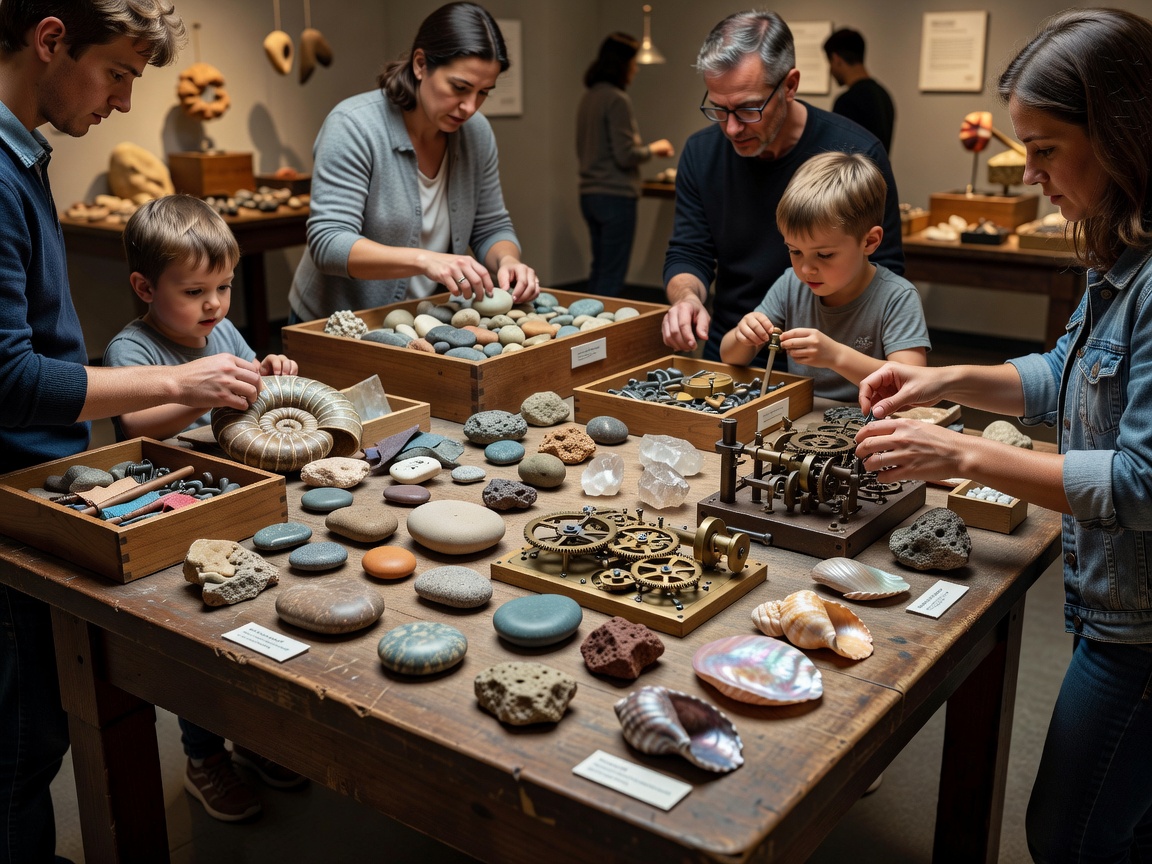
 01 / INTERACT
Exhibit guide · Ages vary
Interactive exhibits
Explore role-play, building, sensory stations and cause-and-effect activities. Exhibit design varies by museum.
Read the exhibit guideThe Children's Discovery Atlas
Children's museums use interactive environments to help younger visitors explore ideas through movement, observation, experimentation and play.
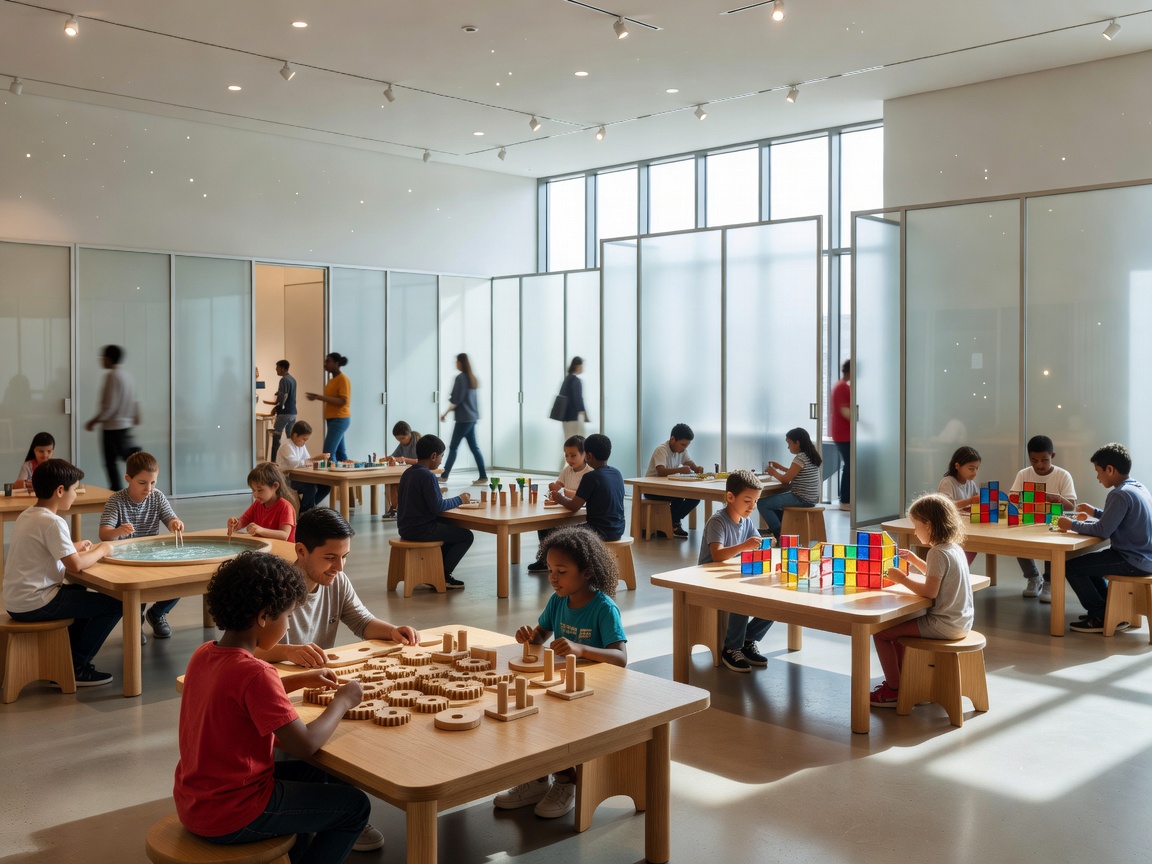
Start with a subject
Compare exhibit types, spaces and visit needs. Check venue-specific details before you travel.
01 / INTERACT
Exhibit guide · Ages vary
Explore role-play, building, sensory stations and cause-and-effect activities. Exhibit design varies by museum.
Read the exhibit guide 02 / FIND A SPACE
Space guide · Multiple modes
Compare art spaces, science zones, construction areas, reading corners and discovery stations.
Explore museum spaces 03 / PREPARE
Visit guide · Practical planning
Plan time, breaks, food, arrival and transport details around your family's pace and the venue's information.
Plan the visit 04 / MAKE & TEST
Subject guide · Art and science
See how making, observing and experimenting shape different kinds of museum experiences.
Compare the approaches 05 / CHECK ACCESS
Access guide · Check the venue
Use practical questions about routes, facilities, sensory conditions and communication when planning.
Review access criteriaA useful design lens
This sequence is one way to read an interactive exhibit. It is not a rule for every museum or every visitor.
How interactive exhibits workObserve an object, space or demonstration.
Interact with materials or controls.
Test an action or an idea.
Connect the experience with a concept.
Before your visit
Exhibits, access arrangements and visitor policies differ. Confirm current information directly with the museum.