Children's museums may focus on art, science, engineering or a mix of subjects. A label alone does not tell you exactly what a visit includes. Review specific activity descriptions, materials, schedules and age guidance to understand how visitors take part.
Art-led environments
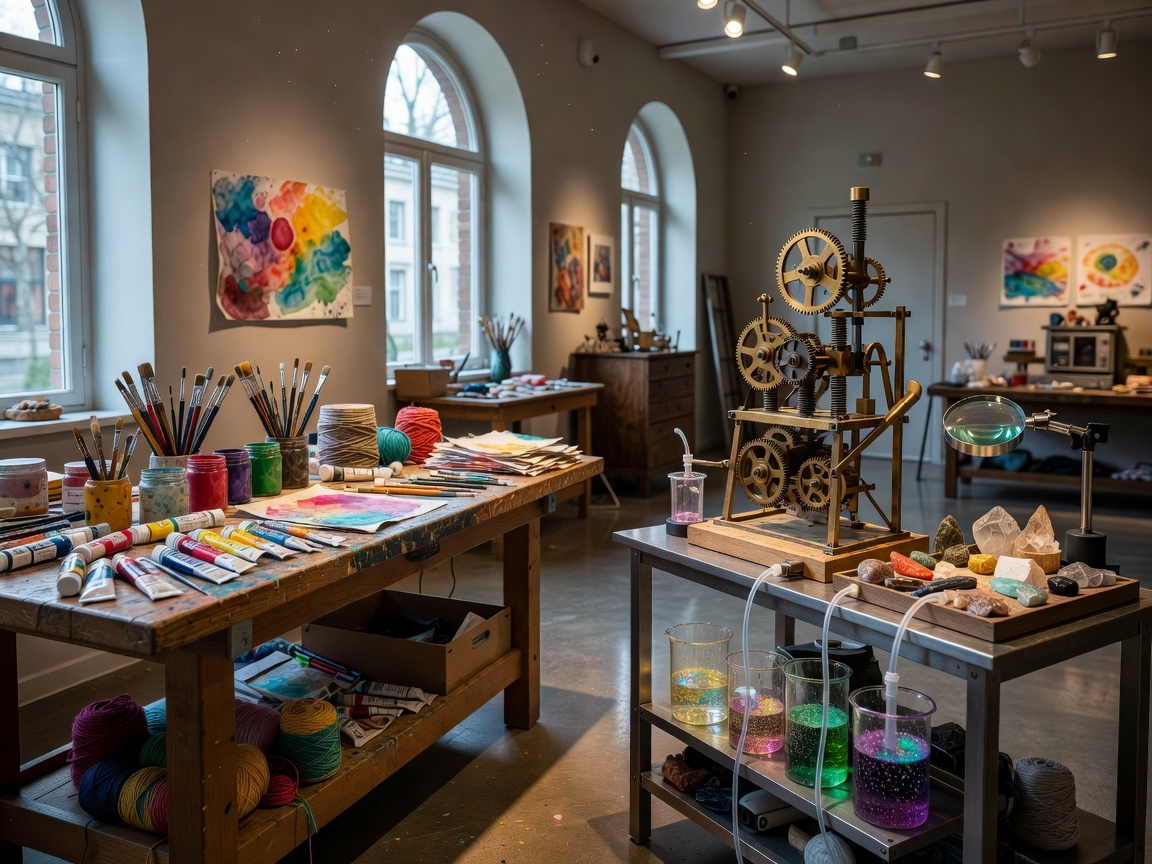
Art spaces can invite visitors to draw, build, print, arrange, shape or combine materials. The emphasis may be on process rather than a finished product. Some stations offer a defined prompt. Others give visitors more choice over subject, method and materials.
Look for practical details: whether work can be taken home, whether materials need time to dry, whether protective clothing is recommended and if the activity is staffed. A creative activity can be brief or absorb a longer part of the visit. The setup matters as much as the subject label.
Science-led environments
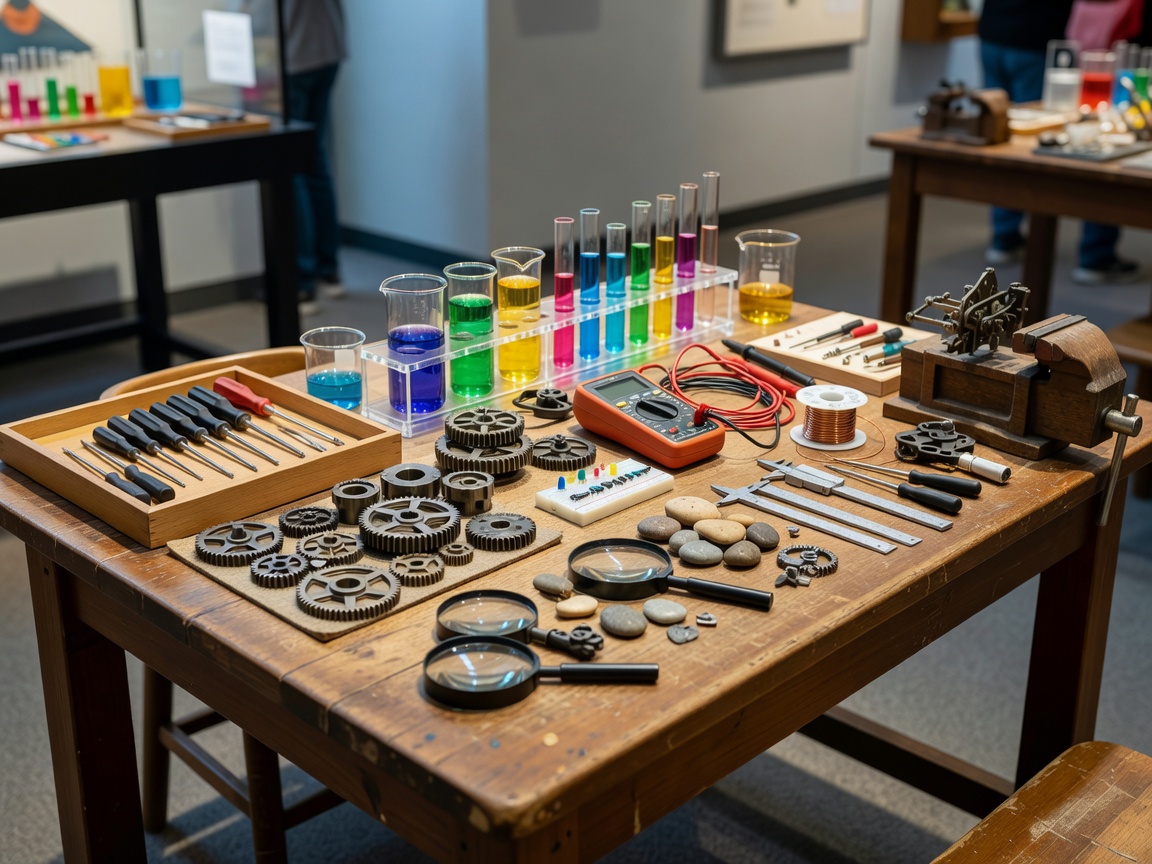
Science exhibits can make an idea visible through observation or interaction. Visitors may sort objects, operate a mechanism, compare patterns or notice changes. A prompt can ask what happened after an action. Some activities have a clear sequence; others let visitors choose what to investigate.
Check whether a station is self-guided, part of a demonstration or tied to a scheduled programme. Follow handling instructions, especially where materials move, make sound or involve water. The museum's own descriptions are the source for current exhibit details.
Engineering and construction
Engineering activities often involve designing, assembling and revising. Visitors might build a structure, connect components or test whether a design meets a simple challenge. These tasks can have a specific goal, but visitors may still find different ways to approach it.
Materials, scale and available space shape the experience. Check whether parts are small, whether construction happens on the floor or at a table, and whether structures need to be dismantled before leaving. Group builds can involve discussion and shared decisions.
Observation and experimentation
Observation begins with looking closely, listening or comparing. An exhibit may present natural objects, visual patterns, moving parts or changes over time. A simple prompt can direct attention without telling visitors what they must conclude.
Experimentation involves trying an action and noticing what follows. The activity might be repeatable, adjustable or open to more than one approach. A useful display gives visitors a clear way to interact and enough time to observe a response. Do not assume a particular activity produces a specific learning result. The visitor's experience, exhibit design and context all differ.
Art-led and science-led: a practical comparison
Art-led emphasis
Materials, expression, composition and making choices. The result may be personal, varied or unfinished.
Useful to check: materials, clothing, take-home rules and activity duration.
Science-led emphasis
Observation, testing, comparison and visible change. The activity may have a question, control or repeatable action.
Useful to check: instructions, safety notes, schedule and shared equipment.
These are broad tendencies, not strict divisions. Art activities can involve testing materials. Science activities can involve drawing, building or creative choices. Many museums combine both approaches in one room or programme.
Choosing a good fit
Start with the interests of your group. Look for the kind of participation they enjoy: making an object, examining a detail, moving a mechanism or building with others. Consider time, instructions, sensory conditions and whether the activity is available during your visit. A museum's official programme and access information should guide final decisions.
Good for
Families comparing subject emphasis, visitors who like hands-on making or investigation, and groups choosing between open-ended creative areas and more structured activities.
What to know
- Subject labels do not guarantee a specific exhibit or activity.
- Check current schedules and activity availability with the venue.
- Ask about materials, clothing and handling requirements.
- Use descriptions to compare process and participation, not promised outcomes.